
Blog
Arborist Services in Wellington: Keeping Trees Safe, Healthy and Well Managed
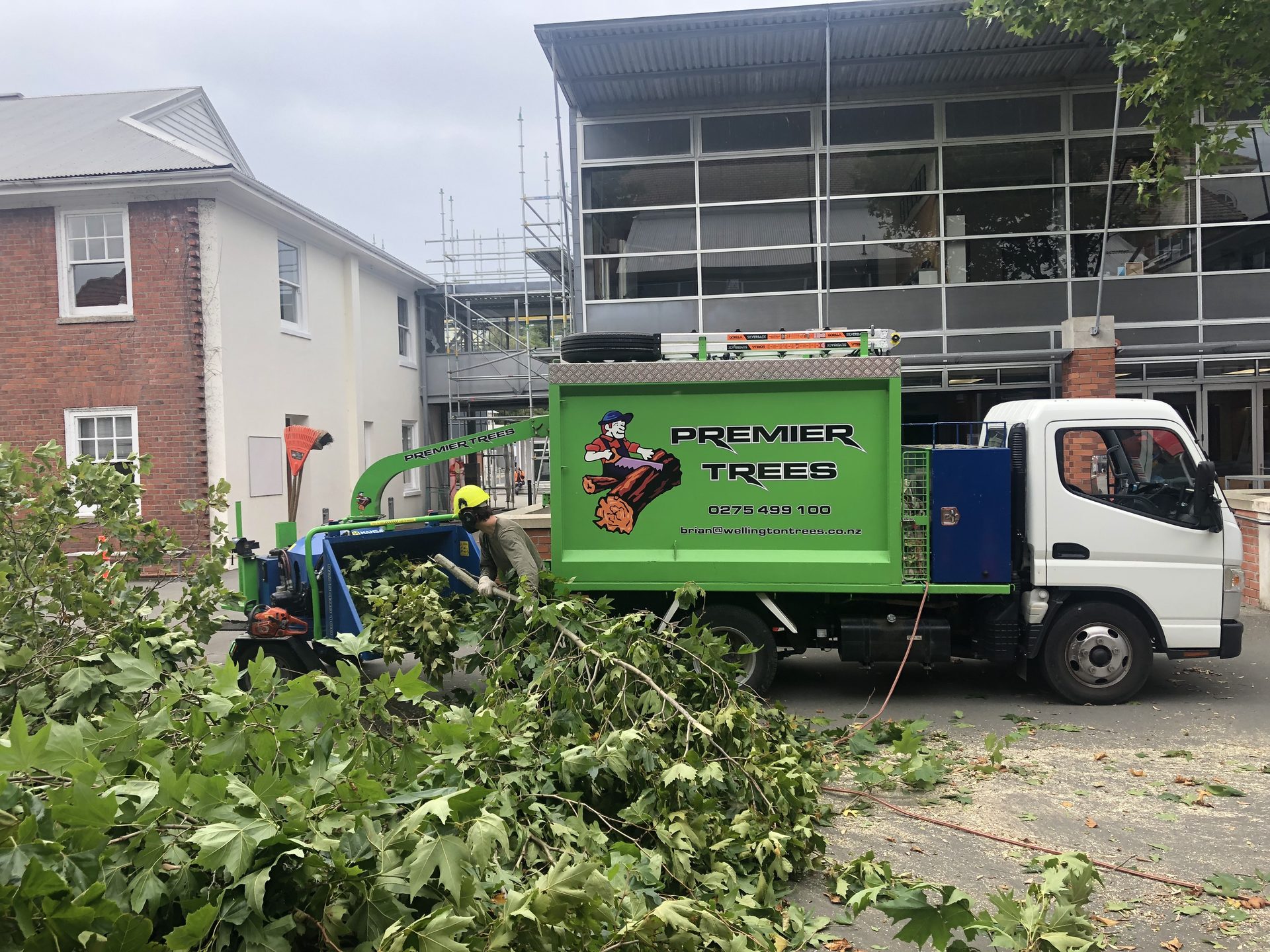
Why professional arborist services matter in Wellington
Wellington is known for its steep sections, exposed ridgelines, established gardens and changeable weather. These conditions can make tree care more complex than it first appears. A tree that looks manageable from the ground may have hidden structural issues, storm damage, disease, poor branch unions or roots growing too close to buildings and services.
Professional arborist services in Wellington help property owners manage trees safely and responsibly. Whether you have a large gum on a boundary, a native tree providing shelter, hedges that need reshaping, or a stump left behind after a removal, the right advice can make a significant difference. Good arboriculture is not just about cutting branches - it is about understanding how trees grow, how they respond to pruning, and how to reduce risk without causing unnecessary harm.
For homeowners, landlords, body corporates and commercial property managers, a qualified arborist can help balance safety, presentation, sunlight, privacy and long term tree health. At Premier Trees, the focus is on practical, professional tree work suited to local Wellington conditions.
Common arborist services for Wellington properties
Every property is different, but most arborist work falls into a few key areas. These services can be used individually or as part of a wider tree management plan.
Tree pruning and shaping
Pruning is one of the most common arborist services, but it needs to be done carefully. Poor pruning can leave a tree weakened, unbalanced or vulnerable to decay. Professional pruning considers the species, age, form and purpose of the tree before any cuts are made.
In Wellington, pruning may be needed to clear branches away from roofs, gutters, driveways, footpaths, neighbouring properties or overhead services. It can also improve airflow, reduce excessive weight, allow more light into a garden, and remove dead or damaged wood.
Common pruning work includes:
- Crown lifting to raise lower branches for access or visibility
- Crown thinning to reduce density while maintaining a natural shape
- Crown reduction to manage height or spread where appropriate
- Deadwooding to remove dead, broken or hazardous branches
- Formative pruning for young trees to encourage strong structure
Tree removal
Tree removal is sometimes necessary when a tree is dead, unsafe, badly storm damaged, in the wrong place, or causing significant structural concerns. In Wellington, removals can be complicated by steep access, narrow driveways, nearby houses, fences, glasshouses and neighbouring properties.
A professional arborist can assess the safest removal method. This may involve sectional dismantling, rigging branches down in controlled pieces, or using specialist equipment where access allows. Attempting a difficult tree removal without the right equipment and experience can create serious safety risks.
Before removing a tree, it is also important to consider whether any local rules apply. Some trees may have protections or consent requirements. Wellington City Council provides information about trees and property responsibilities on its website, including guidance for protected trees and work near public land. You can find more information here: Wellington City Council tree information.
Stump grinding and site clean-up
After a tree is removed, the stump can remain as a trip hazard, attract pests, take up valuable garden space, or make landscaping difficult. Stump grinding removes the visible stump and grinds it below ground level, leaving the area easier to replant, level or convert into lawn or garden.
In many cases, stump grinding is a practical alternative to full stump excavation, especially where access is limited or nearby structures and services need to be protected. A tidy site clean-up also matters, particularly for residential properties where branches, sawdust and wood sections need to be managed efficiently.
Hedge trimming and shelterbelt maintenance
Hedges and shelterbelts are common across Wellington suburbs, especially where properties need privacy or wind protection. Regular trimming keeps them dense, attractive and manageable. If left too long, hedges can become woody, uneven and difficult to reduce without leaving bare patches.
An arborist can advise on timing, shaping and reduction methods to protect plant health while achieving a neat result. For larger shelterbelts, professional equipment and safe work practices are especially important due to height, access and the amount of green waste involved.
Tree assessments and hazard management
Not every tree issue is obvious. A tree may look healthy but have decay pockets, fungal activity, root disturbance, included bark or limbs under stress. Conversely, a tree that looks untidy may still be structurally sound and simply need selective pruning.
A tree assessment can help identify risk factors and recommend practical action. This is useful before buying a property, after major storms, when planning building work, or when a tree has changed noticeably. Warning signs to look for include:
- Cracks in the trunk or major limbs
- Sudden leaning or movement in the root plate
- Large dead branches in the canopy
- Fungal growth around the base of the tree
- Branches rubbing on roofs, walls or power lines
- Soil lifting or cracking near the roots
If you notice any of these signs, it is best to arrange an arborist inspection rather than waiting for the next strong wind. Wellington weather can put extra pressure on already weakened trees.
Preparing trees for Wellington weather
Wellington's wind is part of daily life, but it can be hard on trees. Strong gusts can snap weak limbs, expose root issues or worsen existing structural defects. While no arborist can make a tree storm-proof, good maintenance can reduce risk.
Storm preparation may involve removing deadwood, reducing excessive end weight on long branches, correcting imbalance, clearing branches from buildings, and identifying trees that need monitoring. The best approach is often preventative. Waiting until a branch fails can lead to property damage, emergency callouts and more extensive work than would otherwise have been needed.
Seasonal checks are also worthwhile. After heavy rain or high winds, take a look around your property from a safe distance. If a tree has dropped large branches, developed a lean, or shows fresh cracks, call an arborist before going near it.
Why local experience makes a difference
Arborist work in Wellington is not the same as tree work on flat, sheltered sites. Local knowledge helps when planning access, managing waste removal, assessing wind exposure and choosing pruning methods that suit the site. A tree on a sheltered suburban lawn may respond differently from one on a steep coastal section with shallow soil and constant wind.
Local arborists are also familiar with common Wellington property challenges, such as tight access, terraced gardens, boundary trees, shared driveways and work near retaining walls. This experience helps make the job safer, more efficient and less disruptive for property owners and neighbours.
When should you call an arborist?
Many people wait until a tree problem becomes urgent, but early advice is usually more cost-effective and better for the tree. You should consider calling an arborist if branches are close to your house, a tree has outgrown its space, you are unsure whether a tree is safe, or you are planning renovations and want to protect existing trees.
It is also worth seeking advice before heavy pruning. Removing too much foliage at once can stress a tree and encourage weak regrowth. A professional can explain what is realistic and, where necessary, stage the work over time.
Choosing arborist services in Wellington
When choosing an arborist, look for clear communication, safe work practices, suitable equipment and a willingness to explain the recommended approach. The cheapest option is not always the best option, particularly where large trees, difficult access or nearby structures are involved.
A good arborist will consider the condition of the tree, your goals for the property, site access, waste handling and any relevant rules before starting work. They should also be able to explain whether pruning, removal, monitoring or no action is the most appropriate choice.
Premier Trees provides professional arborist services across Wellington, helping property owners manage trees with care and confidence. From pruning and removals to stump grinding, hedge trimming and tree assessments, experienced arborists can help keep your outdoor spaces safer, tidier and better suited to your needs.
Healthy trees, safer properties and better outdoor spaces
Trees are a valuable part of Wellington's character. They provide shade, shelter, privacy, habitat and visual appeal. With the right care, they can continue to enhance a property for many years. Without proper maintenance, however, they can become unsafe, overgrown or costly to manage.
Professional arborist services give you the knowledge and support needed to make sound decisions. Whether you need routine pruning, urgent safety work, or advice on a difficult tree, working with a local arborist is a practical step towards a safer and healthier landscape.
Reach out to Premier Trees today for a free, no-obligation quote.
Why risk your own safety when professional help is just a call away?
Free quotes
Contact us
Tell us roughly how tall the tree is, where it stands, what is underneath it and whether the job is urgent.
0275 499 100- Karori, Wellington
- brian@wellingtontrees.co.nz