
Blog
Autumn Tree Pruning in Wellington - Preparing Your Trees for Winter Winds
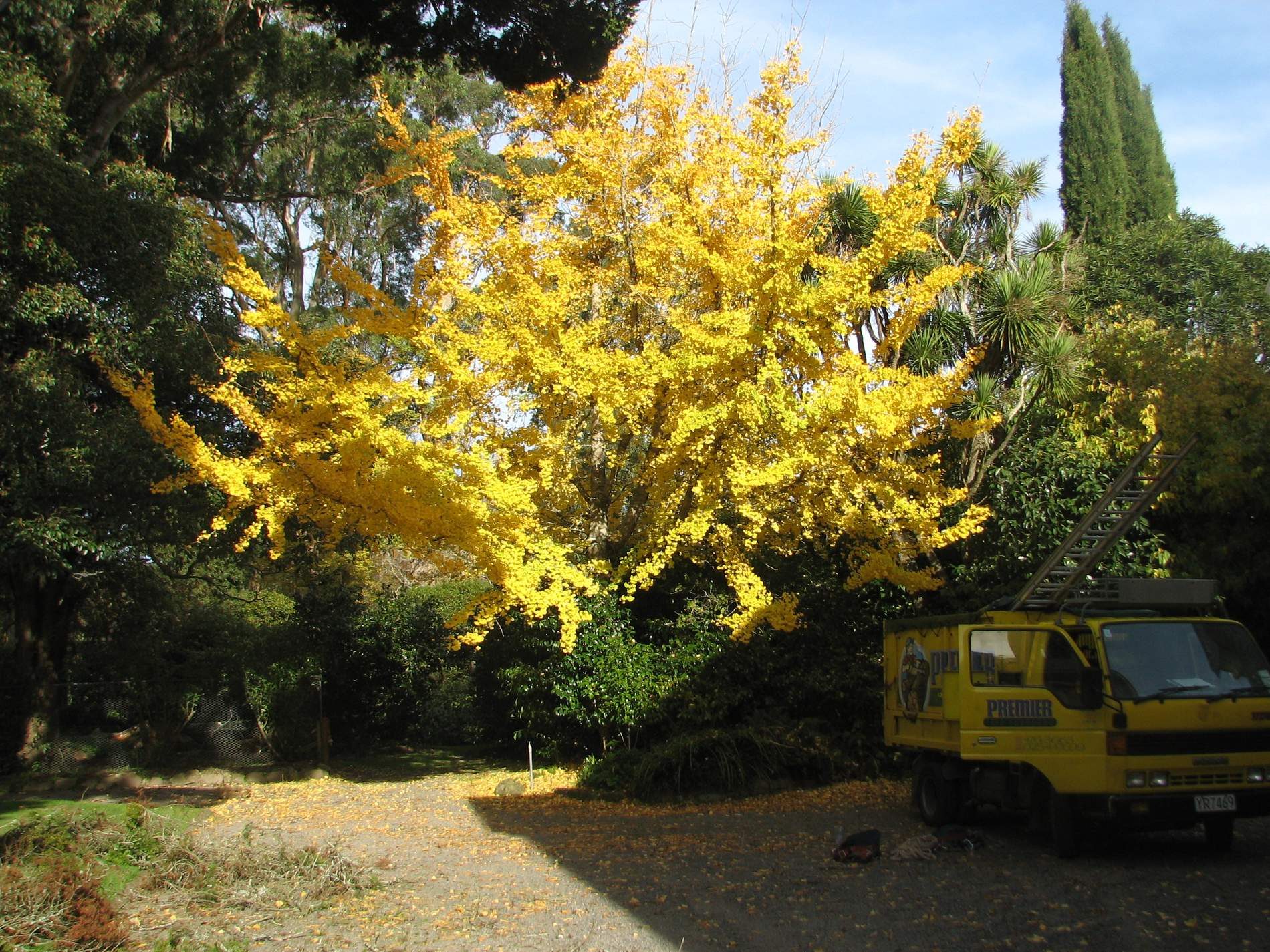
As Wellington moves into autumn, the focus for property owners begins to shift from summer growth to winter preparation. One of the most important but often overlooked tasks during this time is autumn tree pruning. With winter bringing strong winds, heavy rain, and unpredictable weather patterns, preparing trees in advance can make a significant difference to both safety and long-term tree health.
In 2026, searches around autumn tree pruning Wellington, pre-winter tree maintenance, and arborist pruning services are trending as more homeowners take a proactive approach to managing their outdoor spaces.
Why autumn is the ideal time for pruning
Autumn offers a practical window for tree maintenance in Wellington. Growth has slowed down after the warmer months, making it easier to assess a tree's structure without the distraction of rapid new growth.
Pruning during this period allows trees to enter winter in a more stable and balanced condition. Removing excess weight, dead branches, and weak growth reduces the likelihood of damage when strong winds arrive.
Unlike peak growing seasons, autumn pruning also tends to be less stressful for many tree species. With reduced sap flow and slower biological activity, trees can respond more effectively to pruning cuts and recover well heading into the colder months.
The link between pruning and wind resistance
Wellington's wind is one of the biggest factors affecting tree safety. Trees that have grown unevenly or become overly dense are more likely to catch wind and experience structural strain.
Autumn pruning helps reduce this risk by improving airflow through the canopy and removing heavy or poorly attached branches. A well-pruned tree allows wind to pass through more easily rather than acting like a sail.
Professional arborists often focus on:
- Thinning dense canopies
- Removing crossing or rubbing branches
- Reducing overextended limbs
- Improving overall structure and balance
These adjustments may seem minor, but they play a major role in how a tree performs during winter storms.
Identifying trees that should be prioritised
Not all trees require the same level of attention, but some should be prioritised before winter arrives.
Trees located close to buildings, fences, driveways, or neighbouring properties are a key focus. Any branch failure in these areas has a higher chance of causing damage.
Large mature trees are another priority. While they are often strong, they also carry more weight, meaning any structural weakness can have greater consequences.
Fast-growing species or trees that have not been pruned in several years are also worth inspecting. These trees can develop weak branch attachments and uneven growth patterns that increase their vulnerability in high winds.
What should be removed during autumn pruning
Effective pruning is not about cutting as much as possible. It is about removing the right material to improve safety and health without over-pruning the tree.
Common targets during autumn pruning include dead or dying branches, which are often the first to fail during storms. Weak branch unions, particularly those forming tight angles, are another concern as they can split under pressure.
Branches that extend too far from the main structure of the tree should also be assessed. These limbs are more exposed to wind and can place additional strain on the trunk.
Where trees are growing too close to structures or accessways, selective pruning can improve clearance while maintaining the tree's overall shape.
The importance of proper pruning techniques
Poor pruning can do more harm than good. Incorrect cuts can leave trees vulnerable to disease, create unstable regrowth, or weaken the structure over time.
This is why many Wellington property owners are turning to professional arborists for seasonal pruning. Qualified arborists understand how to make correct cuts, where to prune for structural improvement, and how different species respond to pruning.
Industry guidance from organisations such as the New Zealand Arboricultural Association highlights the importance of proper pruning practices to maintain both safety and tree health.
Professional pruning also ensures compliance with any local requirements, particularly where protected trees or council considerations may apply.
Long-term benefits of autumn pruning
While safety is often the immediate concern, autumn pruning also provides long-term benefits for your trees and property.
Regular, well-timed pruning encourages stronger branch development and a more stable structure. It can also improve the overall appearance of trees, keeping outdoor spaces tidy and well-maintained.
Healthier trees are more resistant to disease and environmental stress, which is especially important in Wellington's variable climate.
From a property perspective, maintaining trees properly can help protect buildings, reduce ongoing maintenance costs, and avoid emergency callouts during winter storms.
When to book a professional arborist
Autumn is a busy time for tree services in Wellington, so booking early is recommended. Waiting until winter arrives can limit availability and increase the likelihood of urgent work following storm damage.
You should consider booking a professional arborist if:
- Trees are close to your home or boundary
- You notice dead or damaged branches
- The canopy has become dense or unbalanced
- Trees have not been pruned in several years
- You want to reduce risk before winter weather sets in
Wellington City Council also provides useful guidance around tree management and responsibilities for property owners, which can help clarify what work may be required in certain situations. (wellington.govt.nz)
Preparing your property for the months ahead
Autumn tree pruning is a simple but effective step in preparing your property for Wellington's winter conditions. By addressing potential issues early, you can reduce the risk of damage, improve tree health, and ensure your outdoor spaces remain safe and functional.
With the increasing focus on preventative maintenance in 2026, this approach is becoming standard practice for homeowners who want to stay ahead of potential problems rather than reacting to them.
For Wellington properties, where wind and terrain play such a significant role, proactive tree care is not just a seasonal task - it is an essential part of responsible property management.
Related reading: spring tree care for Wellington homes, and removing rotten trees before winter.
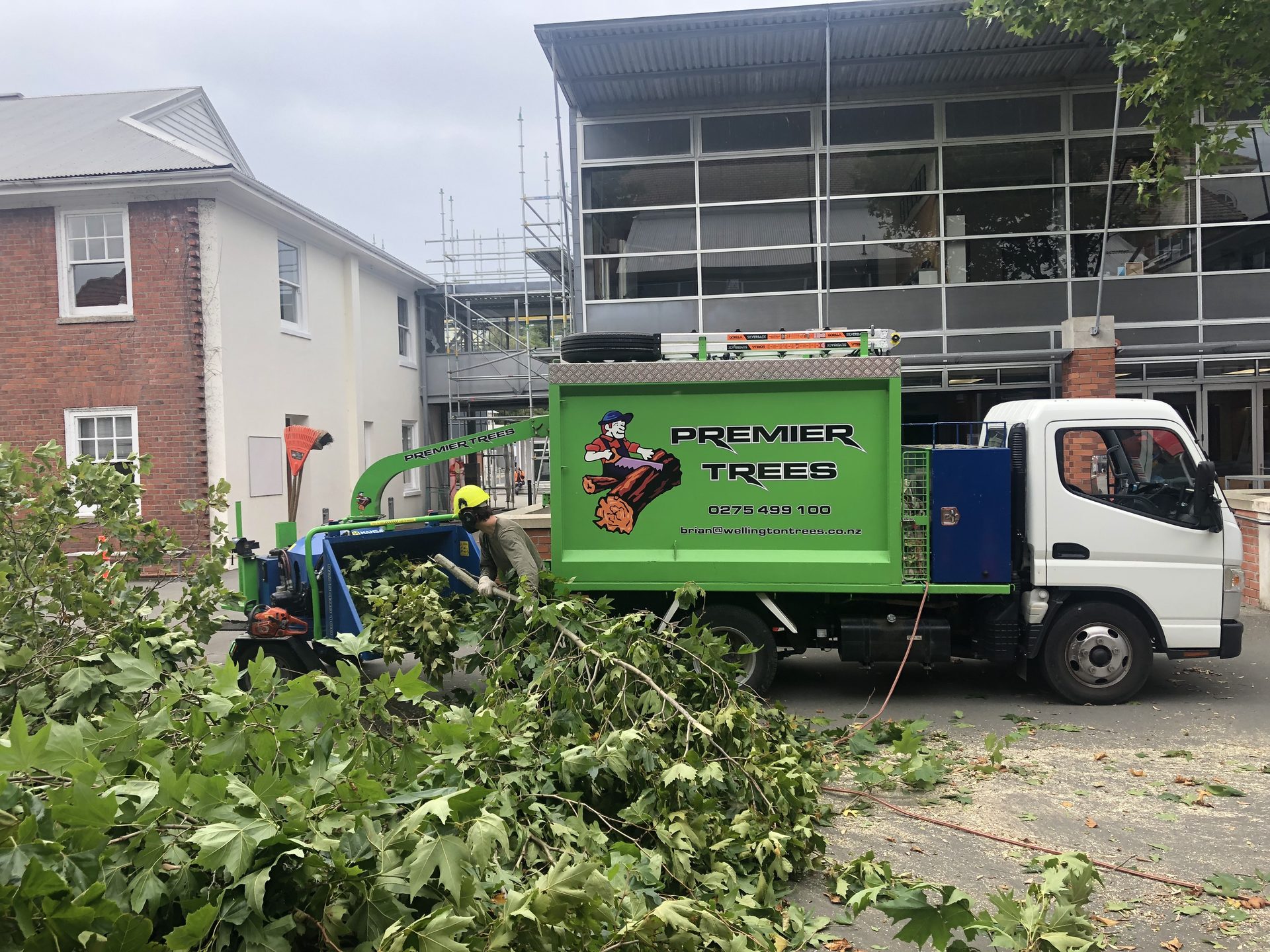
Reach out to Premier Trees today for a free, no-obligation quote.
Why risk your own safety when professional help is just a call away?
Free quotes
Contact us
Tell us roughly how tall the tree is, where it stands, what is underneath it and whether the job is urgent.
0275 499 100- Karori, Wellington
- brian@wellingtontrees.co.nz