
Blog
Trees Pruned in Wellington: When, Why and How to Get It Done Properly
Why tree pruning matters in Wellington
Wellington is a great place for trees, but it is not always an easy one. Strong winds, salt exposure in coastal suburbs, steep sections and compact urban sites can all affect the way trees grow. Regular, well planned pruning helps trees stay healthier, safer and more suitable for their surroundings.
For homeowners, landlords, body corporates and commercial property managers, having trees pruned in Wellington is often about balancing several needs at once. You may want more light, better views, safer access, less debris on paths, or fewer branches rubbing against roofs and gutters. A good pruning job considers all of those goals while protecting the long term structure of the tree.
Poor pruning can create problems. Removing too much foliage, cutting in the wrong place, or topping a tree can stress it and encourage weak regrowth. That is why it pays to use experienced professionals who understand how different species respond to pruning and how to work safely around buildings, fences, driveways and neighbouring properties.
Common reasons to have trees pruned
There are many reasons to organise tree pruning, and not all of them are urgent. In many cases, routine maintenance prevents a small issue from becoming a larger and more expensive one later.
- Safety: Removing dead, damaged or poorly attached branches can reduce hazards around homes, paths, parking areas and outdoor living spaces.
- Clearance: Branches may need to be lifted or reduced away from roofs, gutters, windows, driveways, signs or service areas.
- Light and views: Selective pruning can improve light and outlook without unnecessarily stripping the tree.
- Tree health: Pruning can remove diseased, crossing or congested branches and improve airflow through the canopy.
- Shape and structure: Young trees often benefit from formative pruning to encourage a strong framework as they mature.
Every tree is different, so the best approach depends on its species, age, condition and location. A large pohutukawa near a coastal boundary will need a different plan from a young ornamental tree in a sheltered courtyard.
Signs your tree may need attention
Some trees make it obvious when they need pruning. Others decline gradually, or grow into awkward positions over time. If you are unsure, it is worth arranging an assessment before cutting anything yourself.
Watch for branches that are dead, cracked, hanging, rubbing together, or leaning heavily over areas where people walk or park. You may also notice branches touching the house, blocking windows, scraping paintwork, or dropping leaves and twigs directly into gutters. Dense canopies that hold a lot of wind can be another concern on exposed Wellington sites.
After storms, it is sensible to inspect larger trees from the ground. Look for broken limbs, fresh splits, sudden leaning, soil movement around the base, or branches caught up in the canopy. Do not stand beneath damaged limbs, and do not attempt to remove large or tensioned branches without the right training and equipment.
When is the best time to prune trees in Wellington?
The best timing depends on the type of tree and the purpose of the pruning. Many trees can be pruned outside their main growth periods, while some flowering or fruiting trees are best pruned at specific times to protect future blooms or crops.
In Wellington, weather and access also matter. Wind, rain and soft ground can influence when work should be completed safely. If pruning is needed for safety, clearance or storm damage, it may need to be done promptly regardless of season. For planned maintenance, an arborist can recommend timing that suits the tree and your property goals.
Light pruning and clearance work may be appropriate at various times of year, but heavy reduction should always be carefully considered. Removing large amounts of live foliage can affect a tree's energy reserves and lead to vigorous, weak regrowth. The aim is not simply to make a tree smaller on the day - it is to manage it in a way that remains sustainable.
What professional pruning should involve
Professional tree pruning starts with a site assessment. This includes looking at the tree's structure, health, species, surrounding buildings, access and any risks. The pruning plan should be clear before work begins, including which branches will be removed or reduced and why.
Good pruning uses appropriate cuts made in the right places. The goal is to avoid unnecessary wounds and allow the tree to respond as well as possible. For larger trees, professional crews may use climbing equipment, rigging, lowering systems and machinery to control branches safely, especially where there is limited space below.
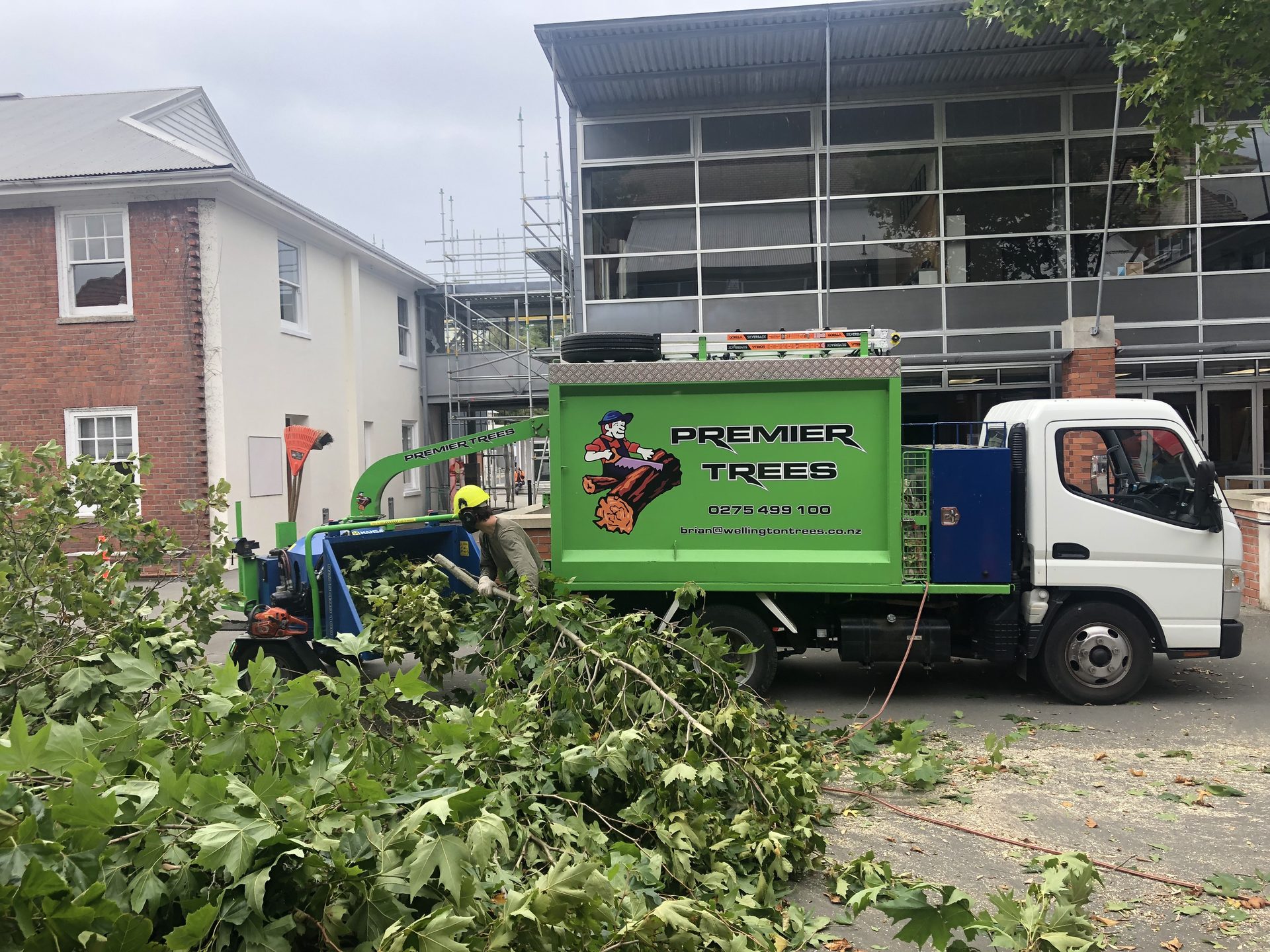
Clean up is also important. A tidy site matters when work is being done around homes, shared driveways, schools, commercial areas or rental properties. Branches, logs and chip should be managed in line with what has been agreed before the job starts.
Council rules and protected trees
Before arranging major pruning, it is wise to check whether any council rules apply to your tree or property. Some trees may be protected, and some work may need approval depending on the site and the type of pruning proposed. This is especially important for significant trees, heritage areas, or properties with specific planning controls.
Wellington City Council provides information about tree work and consent requirements on its website. You can review the council guidance here: tree removal and pruning information.
If you are uncertain, speak with a professional before starting. Getting advice early can help you avoid unnecessary delays and make sure the proposed work is appropriate.
Pruning for Wellington's conditions
Wellington's wind is one of the biggest factors in tree care. Trees that have grown in exposed conditions often adapt over time, developing a shape that suits the prevailing weather. Over pruning can upset that balance by creating long, weak shoots or removing the branches that help distribute wind load.
In sheltered gullies and established gardens, the issue may be different. Trees can become crowded, with branches competing for light and space. Selective pruning can help reduce congestion while retaining the character and shade that make mature gardens appealing.
On steep sections, access and debris management need proper planning. Branches may need to be lowered in controlled sections rather than simply dropped. This protects retaining walls, fences, glasshouses, decks and neighbouring land.
Why choose Premier Trees
Premier Trees provides a professional tree pruning service across Wellington, helping property owners manage trees safely and sensibly. Whether you need a small ornamental tree shaped, a large canopy reduced, or storm damaged branches dealt with, the right advice makes a real difference.
The team can assess your trees, talk through practical options and complete pruning work with care for both the tree and the surrounding property. The focus is on useful results: safer spaces, healthier trees, improved clearance and a tidy finish.
If you are planning landscaping, preparing a property for sale, managing rental maintenance, or simply wanting to get an overgrown garden back under control, pruning can be a good place to start. It can open up space, improve presentation and reduce ongoing nuisance from branches, leaf litter and blocked gutters.
Book trees pruned in Wellington with confidence
Tree pruning is not just about cutting branches. Done well, it is a careful process that respects the tree, the site and the people who use the space. Done poorly, it can leave a tree stressed, unattractive or more difficult to manage in future.
If you need trees pruned in Wellington, contact Premier Trees to discuss your property and arrange professional advice. A planned approach will help you get the result you want while supporting the health and structure of your trees for the years ahead.
Related reading: why regular trimming and pruning matters.
Reach out to Premier Trees today for a free, no-obligation quote.
Why risk your own safety when professional help is just a call away?
Free quotes
Contact us
Tell us roughly how tall the tree is, where it stands, what is underneath it and whether the job is urgent.
0275 499 100- Karori, Wellington
- brian@wellingtontrees.co.nz