
Blog
Trees Removed in Wellington: When It Makes Sense and What to Expect
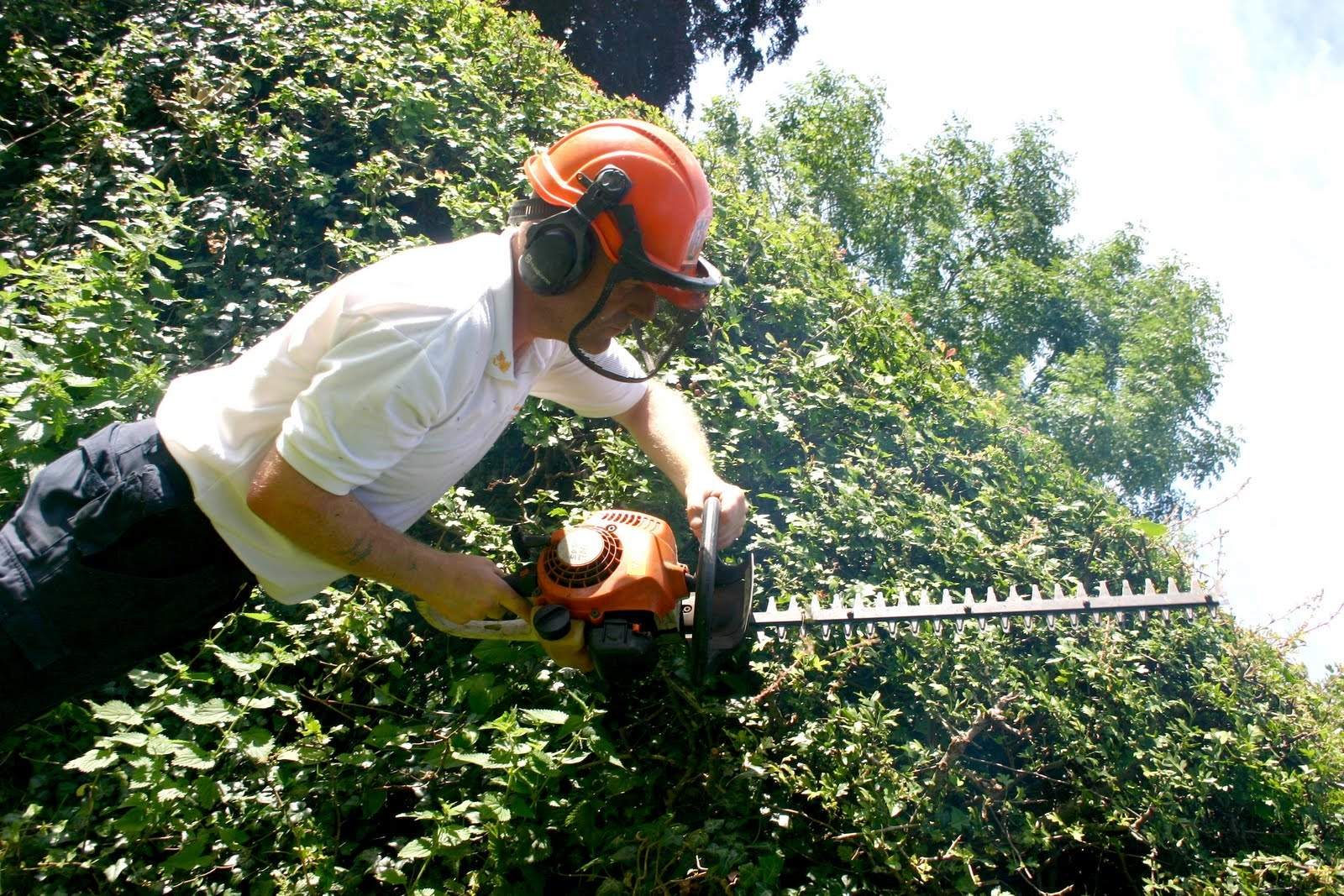
Tree removal is sometimes the right call
Trees add shelter, privacy, birdlife, shade, and character to Wellington properties. In many cases, careful pruning, crown lifting, or deadwood removal can solve a problem without removing the whole tree. There are times, however, when having trees removed in Wellington is the most sensible option for safety, property protection, or long-term land use.
Wellington's hills, exposed ridgelines, compact sections, and changeable weather can make tree work more complex than it first appears. A tree that looks manageable from the ground may have heavy limbs over a roof, poor access for equipment, decay in the stem, or roots affecting retaining structures. For these reasons, tree removal should be assessed and carried out with care.
Premier Trees works with Wellington homeowners, landlords, body corporates, and property managers who need practical advice and safe tree services. If you are weighing up whether a tree should stay or go, the points below will help you understand what to consider before the work begins.
Common reasons trees are removed in Wellington
Every site is different, and removal is not always the first or only answer. Still, there are several situations where removing a tree may be the best course of action.
Storm damage or structural weakness
High winds are part of life in Wellington. After strong weather, trees can be left with split branches, cracked unions, or a noticeable lean. Sometimes the damage is obvious, such as a large limb hanging over a driveway. In other cases, the risk is less visible. If a tree has changed shape, dropped large branches, or started moving in the root plate, it is worth getting it checked promptly.
Disease, decay, or decline
A declining tree may show signs such as sparse foliage, dead branches, fungal growth, cavities, bark loss, or unusual cracking. Not all signs mean immediate removal is required, but they do indicate that the tree should be inspected. Removing a tree before it becomes unstable can reduce the risk of damage and make the job easier to control.
Too close to buildings or services
Some trees outgrow their location. Branches can press against roofs, block gutters, rub on cladding, or interfere with overhead lines. Roots may also create issues near paths, drains, driveways, or retaining walls. In tight Wellington sections, there may be limited room to manage the tree safely through pruning alone.
Site changes and landscaping plans
Tree removal may be needed before landscaping, construction, fencing, driveway work, or retaining projects. Planning ahead is important, particularly where machinery access, neighbouring properties, or council requirements may be involved. A professional tree team can help sequence the work so the site is prepared efficiently and safely.
What to check before removing a tree
Before booking a removal, it is wise to pause and make a few checks. This can prevent delays, avoid misunderstandings, and help ensure the work is carried out properly.
- Ownership: Confirm the tree is on your property, especially near boundaries, shared driveways, or body corporate areas.
- Council requirements: Some trees or vegetation areas may have rules attached. Requirements can vary depending on location and property circumstances.
- Neighbouring impact: Consider overhanging branches, access needs, noise, and debris management.
- Services: Identify nearby power lines, internet cables, drains, water pipes, and structures.
- Access: Think about how arborists will reach the tree and remove branches, timber, and mulch.
For Wellington City properties, it can be helpful to review the council's guidance on tree and vegetation removal before work is confirmed. You can find information through Wellington City Council. If you are outside Wellington City, check with your local council, as rules and processes may differ.
Why professional removal matters
Tree removal can look straightforward until the cutting starts. Timber is heavy, branches can swing unpredictably, and nearby structures can limit the direction in which material can be lowered. Sloped sections and narrow access add further complexity. Professional arborists use planning, equipment, and controlled cutting techniques to manage these risks.
A careful removal usually begins with an on-site assessment. The team will look at the tree's size, condition, lean, branch spread, and surroundings. They will also consider how to manage debris, whether ropes or rigging are needed, and how to protect lawns, paths, gardens, roofs, and fences where practical.
In open areas, a tree may be felled in one piece if there is enough clear space. In many Wellington properties, this is not possible. Instead, the tree may need to be dismantled in sections, with limbs lowered in a controlled way. This is often slower than straight felling, but it is usually the safer option where buildings, neighbouring sections, or services are close by.
What happens during the tree removal process?
Although every job differs, most removals follow a similar process. Understanding the steps can help you prepare your property and know what to expect on the day.
Initial discussion and assessment
The first step is usually a conversation about the tree, your concerns, and what you want done. Photos can be useful for an initial discussion, but a site visit is often needed for accurate advice. The arborist may ask about access, parking, past storm damage, and whether you want the timber removed, left on site, or cut into manageable pieces.
Planning the work area
Before cutting begins, the team will establish a safe work area. Vehicles, outdoor furniture, pot plants, and other items may need to be moved. If the tree is near a shared driveway or footpath, extra care may be required to manage people and vehicles around the site.
Sectional removal and lowering
For many Wellington homes, trees are removed piece by piece. Branches are cut in a planned order, and larger sections may be lowered using ropes. This helps control where material lands and reduces the risk of damage. Once the canopy has been reduced, the stem can be cut down in sections.
Clean-up and waste handling
After the tree is down, the remaining material can be chipped, removed, or left on site by agreement. Some clients keep mulch for gardens or retain logs for firewood, while others prefer a full clean-up. Discuss this before the job starts so the quote and expectations are clear.
What about the stump?
Removing the tree is only part of the job. The stump can be left in place, cut low to the ground, or ground out depending on your plans for the area. Stump grinding is often chosen when the space will be replanted, landscaped, paved, or returned to lawn.
Leaving a stump may be acceptable in a garden bed or low-use area, but it can become inconvenient if it is in the way of mowing, fencing, or construction. Stumps can also take a long time to break down naturally. If you are unsure, ask about the options when arranging the tree removal.
Can the tree be pruned instead?
Not every problem requires removal. In some cases, pruning can reduce weight, improve clearance, remove deadwood, or allow more light into a property. A good tree service should be willing to discuss alternatives where they are practical.
That said, pruning has limits. If the tree is structurally unsound, severely declining, in the wrong location, or likely to keep causing problems, repeated pruning may only delay the inevitable. The best decision balances safety, cost, appearance, ongoing maintenance, and the health of the tree.
Planning for replacement planting
When a tree is removed, it creates an opportunity to rethink the space. A smaller, better-suited tree may provide shade, privacy, flowers, fruit, or habitat without creating the same future issues. Consider mature height, root behaviour, wind exposure, soil conditions, and the distance from buildings and boundaries.
Choosing the right species for a Wellington site can make a significant difference. A tree that suits the available space is easier to maintain and less likely to need major work later. If you are removing a large or problematic tree, ask for practical suggestions about what could work well in its place.
How to prepare your property for the day
Once the job is booked, a little preparation makes the day run smoothly. Move vehicles out of the work area, clear outdoor furniture and pot plants, and keep pets and children inside or well away from the site. If access is tight, tell the arborist in advance about locked gates, steep steps, fragile paving, septic areas or garden features that need protecting.
If the tree is near a neighbour's boundary, give them notice before work starts. Even when the work is entirely on your property, the noise and activity can come as a surprise, and a quick conversation is usually appreciated.
Think too about what comes after. Removing a tree changes a property quickly: more light, less shelter, a different view, and sometimes more wind. Deciding in advance whether you want new planting, more lawn, a repaired fence line or a usable outdoor area means the stump and the timber can be dealt with the right way on the day.
Need trees removed in Wellington?
If you are concerned about a damaged, overgrown, or poorly positioned tree, getting professional advice is a sensible first step. The right approach may be removal, pruning, stump grinding, or a staged plan for managing several trees across the property.
Premier Trees provides practical tree removal and tree services across Wellington, with a focus on safe work, clear communication, and tidy results. Whether you are dealing with storm damage, preparing for landscaping, or simply want to understand your options, a site assessment can help you move forward with confidence.
Related reading: the signs a tree may need to come out, and Wellington tree regulations for property owners.
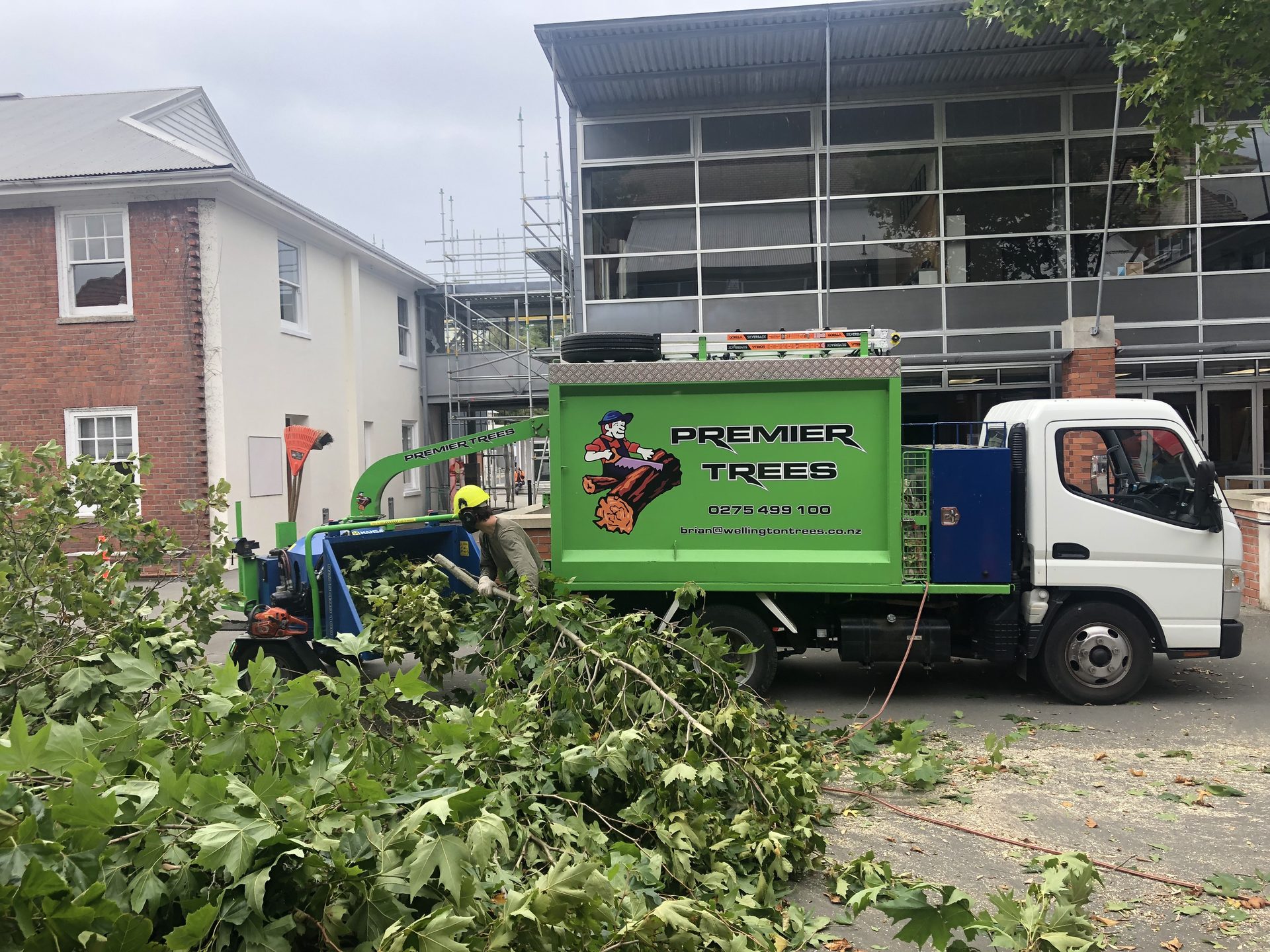
Reach out to Premier Trees today for a free, no-obligation quote.
Why risk your own safety when professional help is just a call away?
Free quotes
Contact us
Tell us roughly how tall the tree is, where it stands, what is underneath it and whether the job is urgent.
0275 499 100- Karori, Wellington
- brian@wellingtontrees.co.nz