
Blog
Trees Trimmed in Wellington: A Practical Guide to Healthy, Safe Pruning
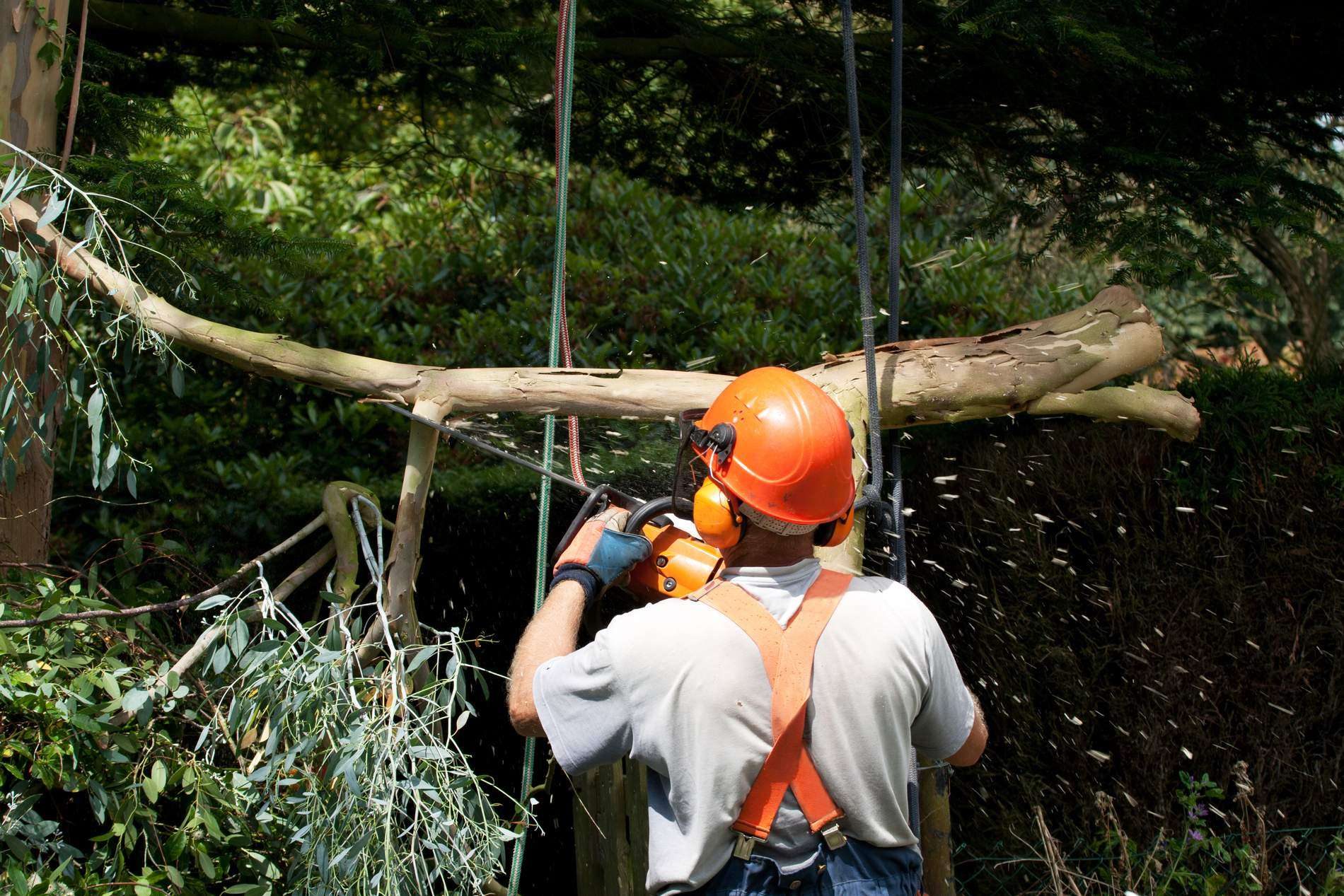
Why tree trimming matters in Wellington
Getting trees trimmed in Wellington is not just a tidy-up job. In a region known for strong winds, exposed sites, steep sections and compact urban gardens, pruning plays an important role in keeping trees manageable, attractive and as healthy as possible.
A well trimmed tree can frame a view, let more light into a home, improve access around paths and driveways, and reduce the chance of weak or dead branches becoming a problem during rough weather. Done poorly, however, trimming can stress the tree, encourage weak regrowth, or leave it looking unbalanced for years.
That is why it pays to approach pruning with a clear plan. The right cut, in the right place, at the right time can make a noticeable difference to how a tree grows and how it fits within its surroundings.
Common reasons to have trees trimmed
Every tree and property is different, but most pruning jobs start with a practical goal. For Wellington homeowners, common reasons include:
- Removing dead, damaged or rubbing branches
- Clearing branches away from buildings, gutters, fences or driveways
- Improving sunlight and airflow through a garden
- Managing height or spread where space is limited
- Reducing weight on overextended limbs
- Improving the overall shape of the tree
In some cases, trimming is also part of long-term tree care. Young trees may need formative pruning to develop a strong structure, while mature trees may benefit from careful maintenance to remove problem growth without taking too much live foliage.
Tree trimming is not one-size-fits-all
Different trees respond differently to pruning. Some tolerate trimming well, while others can be sensitive to heavy cutting. Native trees, fruit trees, hedging species, large shelter trees and ornamental specimens all need a slightly different approach.
For example, a fruit tree may be pruned to encourage better structure and fruiting wood, while a large evergreen near a boundary may be trimmed to manage clearance and reduce excessive weight. A specimen tree in a front garden might only need selective cuts to improve form and remove deadwood.
This is where local experience is valuable. Wellington's growing conditions can be demanding, and trees often adapt to wind by developing a shape that suits the site. Removing too much from the wrong side of a tree can alter that balance. A measured approach is usually better than hard cutting, especially for mature trees.
When is the best time to trim trees?
The best time to trim a tree depends on the species, the reason for pruning and the condition of the tree. Light maintenance, such as removing dead or broken branches, can often be done when needed. More significant trimming is usually planned around the tree's growth cycle and the weather.
For many deciduous trees, pruning during dormancy can make it easier to see the branch structure. Some flowering trees are best trimmed after flowering, so next season's display is not removed. Hedges and fast-growing screening plants may need periodic trimming through the growing season to maintain their shape.
It is also sensible to consider wildlife, neighbouring properties and site conditions. If a tree is close to a house, power lines, a steep bank or a public area, the timing and method of work should be carefully planned.
Check before trimming protected or notable trees
Before arranging major pruning, it is worth checking whether any rules apply to your property or tree. Some trees may be protected due to their species, location, size or listing status. If you are unsure, you can start by reviewing the Wellington City Council information on protected trees.
Rules can vary depending on the location and circumstances, so it is best to confirm requirements before work begins. This helps avoid delays and ensures the trimming is carried out with the correct permissions if they are needed.
Why professional trimming is often the safer option
Small branches on a young tree may be simple enough for a homeowner to manage with clean hand tools. Larger tree work is different. Once height, ladders, chainsaws, heavy limbs or nearby structures are involved, the risks increase quickly.
Professional tree trimming is not just about cutting branches. It involves assessing the tree, planning the order of cuts, using appropriate equipment, and controlling how material is lowered or removed. On Wellington properties, access can also be a major consideration. Narrow driveways, terraced gardens and sloping ground often require a careful setup.
A professional arborist or experienced tree team can also identify issues that may not be obvious from the ground, such as included bark, decay, storm damage or poor branch attachments. This allows the work to focus on both the immediate concern and the tree's future health.
What good tree trimming should achieve
Good pruning should look considered, not hacked back. While every job has its own purpose, quality trimming usually aims to preserve as much natural form as possible while solving the issue at hand.
That may involve crown lifting to raise lower branches, crown thinning to reduce density, crown reduction to manage size, or deadwooding to remove unsafe or unsightly material. The cuts should be clean and placed so the tree can respond as well as possible.
One of the most common mistakes is taking too much off at once. Heavy topping or lopping can leave a tree stressed and can encourage rapid, weak regrowth. In many cases, staged pruning over time is a better option than a single severe cut.
How Premier Trees approaches tree trimming in Wellington
Premier Trees works with Wellington property owners who need practical, tidy and well planned tree care. The process starts with understanding what you want to achieve, whether that is more light, safer access, a better view, reduced branch weight, or a neater garden.
From there, the tree and site are assessed so the work can be carried out in a way that suits the species, the location and the surrounding property. This is especially important where trees are close to houses, retaining walls, fences, driveways or neighbouring sections.
The aim is to leave the tree in a better condition, not simply smaller. A thoughtful trim should improve the way the tree fits into the property while respecting its natural structure where possible.
After your trees have been trimmed
Once trimming is complete, your tree may need time to settle into its new shape. Avoid making extra cuts straight away unless there is a clear reason. Trees respond gradually, and fresh growth can change the appearance over the following season.
It is also worth keeping an eye on the tree after strong winds or heavy rain. If you notice new cracks, hanging branches, sudden dieback or movement around the root zone, seek advice promptly. Regular observation helps small problems get picked up before they become bigger ones.
Planning your next tree trim
If your trees are blocking light, growing too close to structures, dropping dead branches or becoming difficult to manage, it may be time to arrange a professional assessment. The best results come from trimming with a purpose, rather than cutting simply because a tree has grown.
For homeowners looking to have trees trimmed in Wellington, Premier Trees can help assess the best approach for your site and carry out the work with care. With the right plan, tree trimming can improve safety, appearance and long-term garden enjoyment.
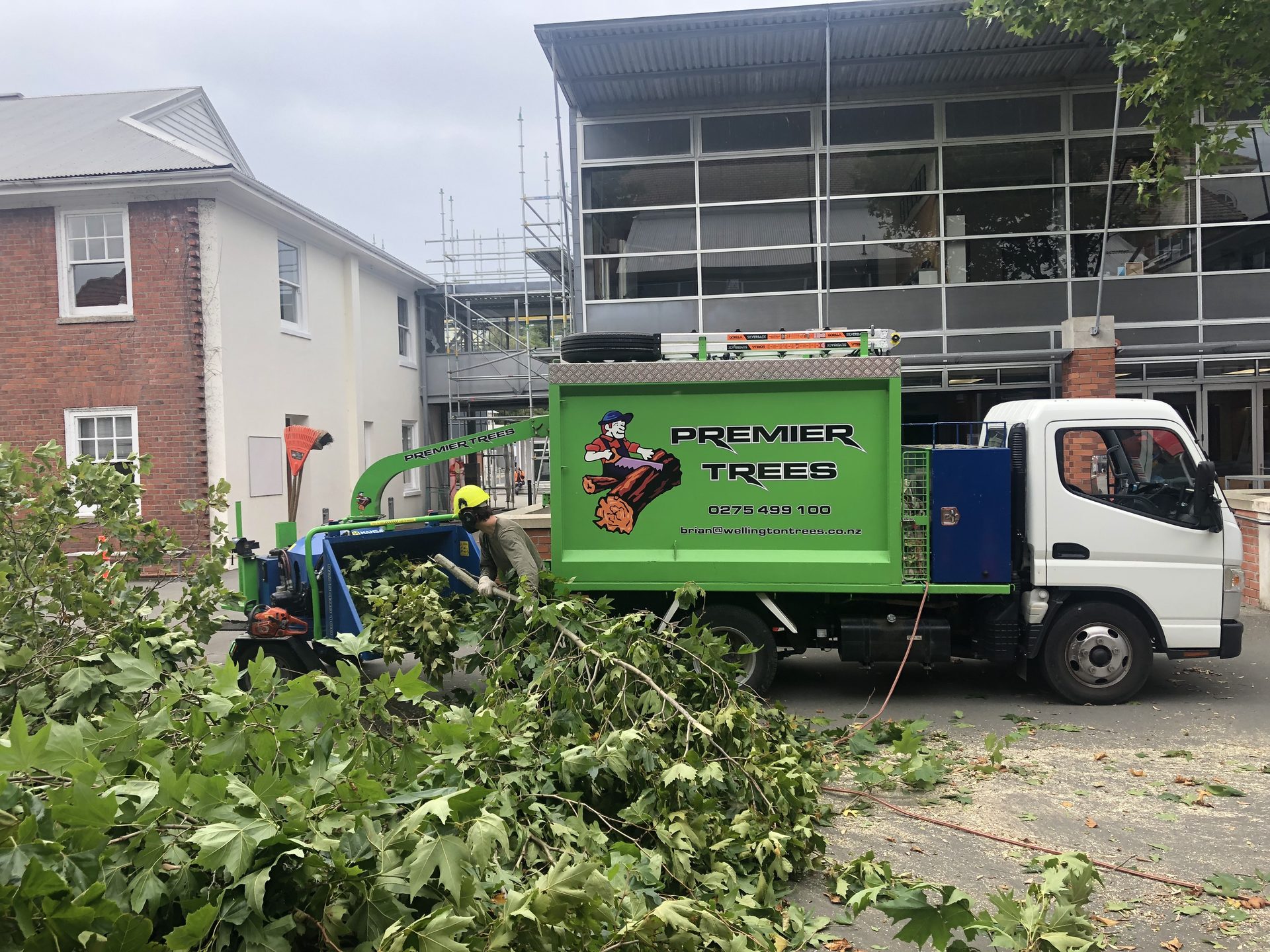
Reach out to Premier Trees today for a free, no-obligation quote.
Why risk your own safety when professional help is just a call away?
Free quotes
Contact us
Tell us roughly how tall the tree is, where it stands, what is underneath it and whether the job is urgent.
0275 499 100- Karori, Wellington
- brian@wellingtontrees.co.nz